

By the Korea Vibe Hopper team · Updated October 30, 2026
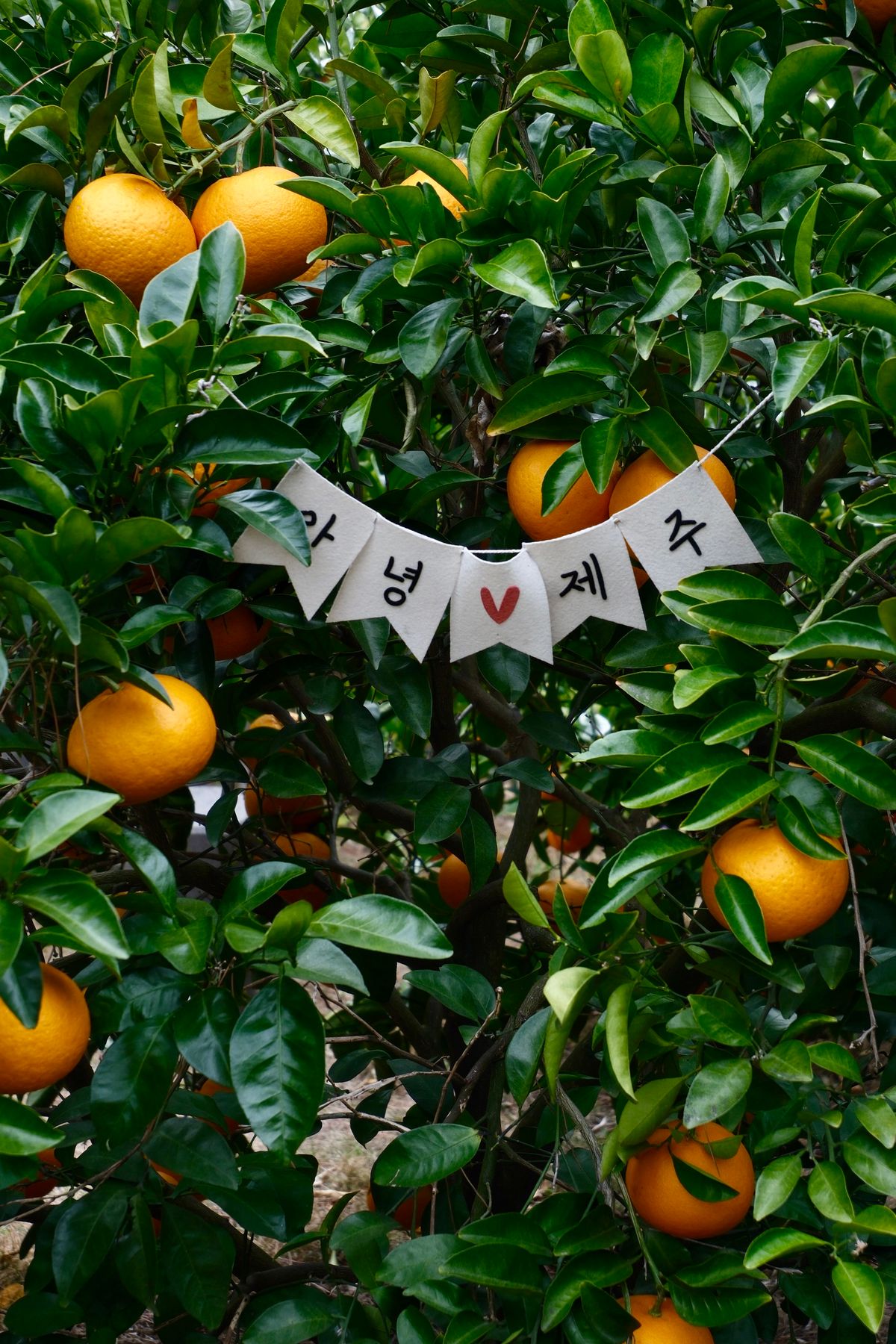
November is one of the easiest months to like Jeju Island (제주도). The summer crowds have gone, the hills turn silver with pampas grass, and the island's tangerine orchards fill up with ripe fruit. Hallasan, South Korea's highest mountain, switches to its winter hiking hours, and a couple of the island's best-known events fall in the same few weeks. This guide covers what the weather is really like, where and how to pick tangerines, the current Hallasan reservation rules, the November festivals, and how to get to and around the island. Figures are as of October 2026, and we link the official pages so you can check for changes before you go.
Key takeaways
- Expect mild but changeable weather. Jeju City's November averages are a high of 16.4°C and a low of 10.4°C, with rain on about 10 days in the month.
- Tangerine picking runs from October into January. Most farms charge roughly ₩5,000 to ₩20,000, depending on how much fruit you take home (as of October 2026).
- The 2026 Jeju International Citrus Expo runs November 19 to 23 in Seogwipo. The 2026 Jeju Olle Walking Festival runs November 5 to 7.
- A Hallasan reservation is now needed only if you are going to the summit, on the Seongpanak or Gwaneumsa trail. In November, plan to be past the checkpoints by 11:30.
- Bus 600 links the airport with Jungmun and Seogwipo. To rent a car, you need your passport and an original International Driving Permit.
Contents
- Why November works well on Jeju
- Weather and what to pack
- Tangerine picking
- The Jeju International Citrus Expo
- Hiking Hallasan in November
- Silver grass, oreum and the east coast
- The Jeju Olle Walking Festival
- Getting there and entry rules
- Getting around the island
- A sample three-day plan
- FAQ
- Sources
Why November works well on Jeju
Jeju is busy all year, but the mix of visitors is changing. The Seoul Economic Daily reported on October 16, 2026 that Jeju had already passed 3,031,529 international passengers by October 10, a record for the island. Arrivals from Taiwan, Japan and Singapore each grew by about 60% in January to September. Domestic travel has eased, though. Jeju–Gimpo was still the world's busiest air route in October 2026, with 1,144,285 scheduled seats according to OAG, but that was 14% fewer than a year earlier.
For a visitor, that combination is useful. There are plenty of flights, and outside the late-autumn foliage weekends the island feels less crowded than in summer. November also lines up three things Jeju does well: the start of the main tangerine harvest, the end of silver-grass season on the oreum (small volcanic hills), and clear, cold days on Hallasan before deep winter snow.
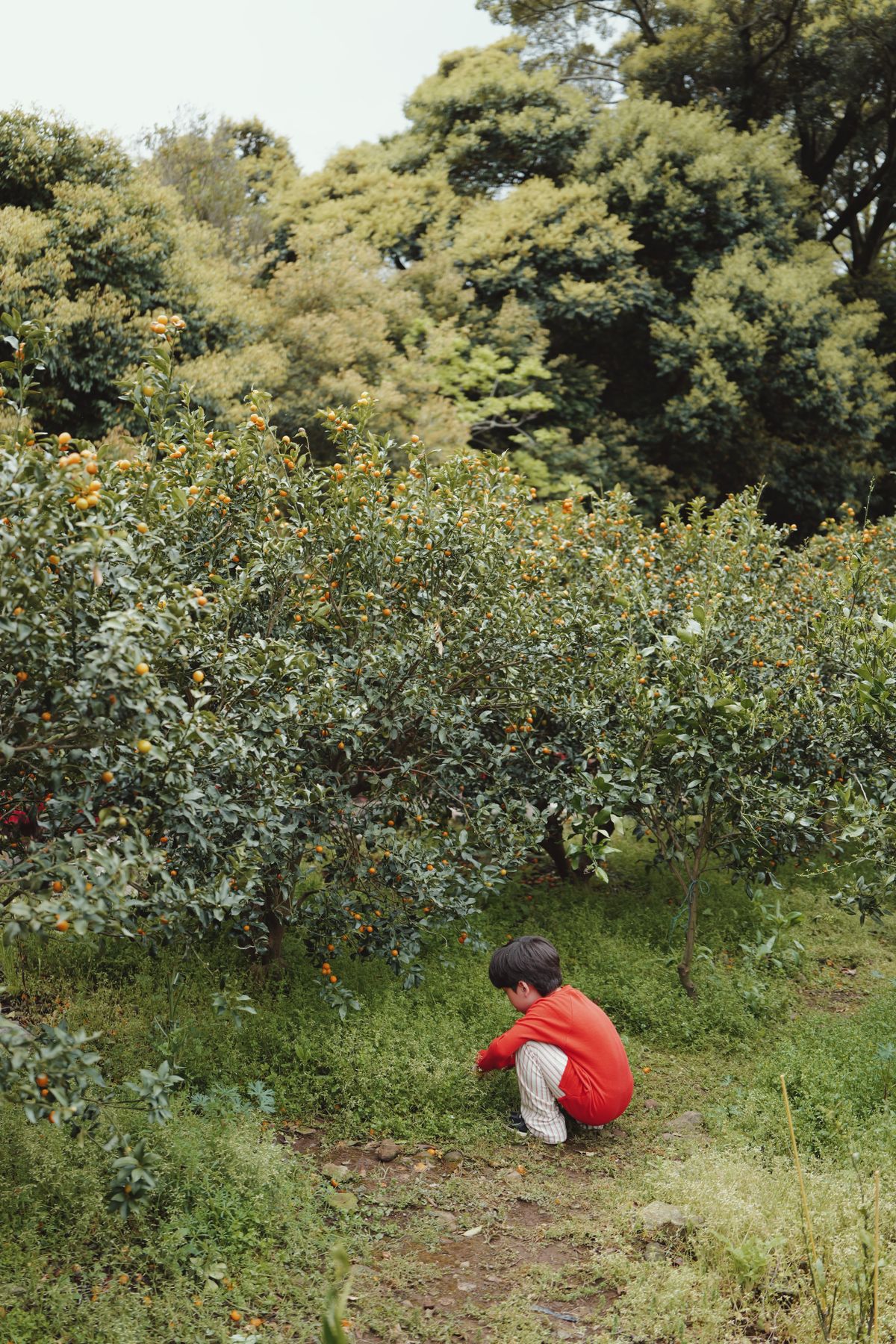 A child exploring an orchard on Jeju Island. Photo: Little forest 작은 숲 / Pexels, Pexels License | 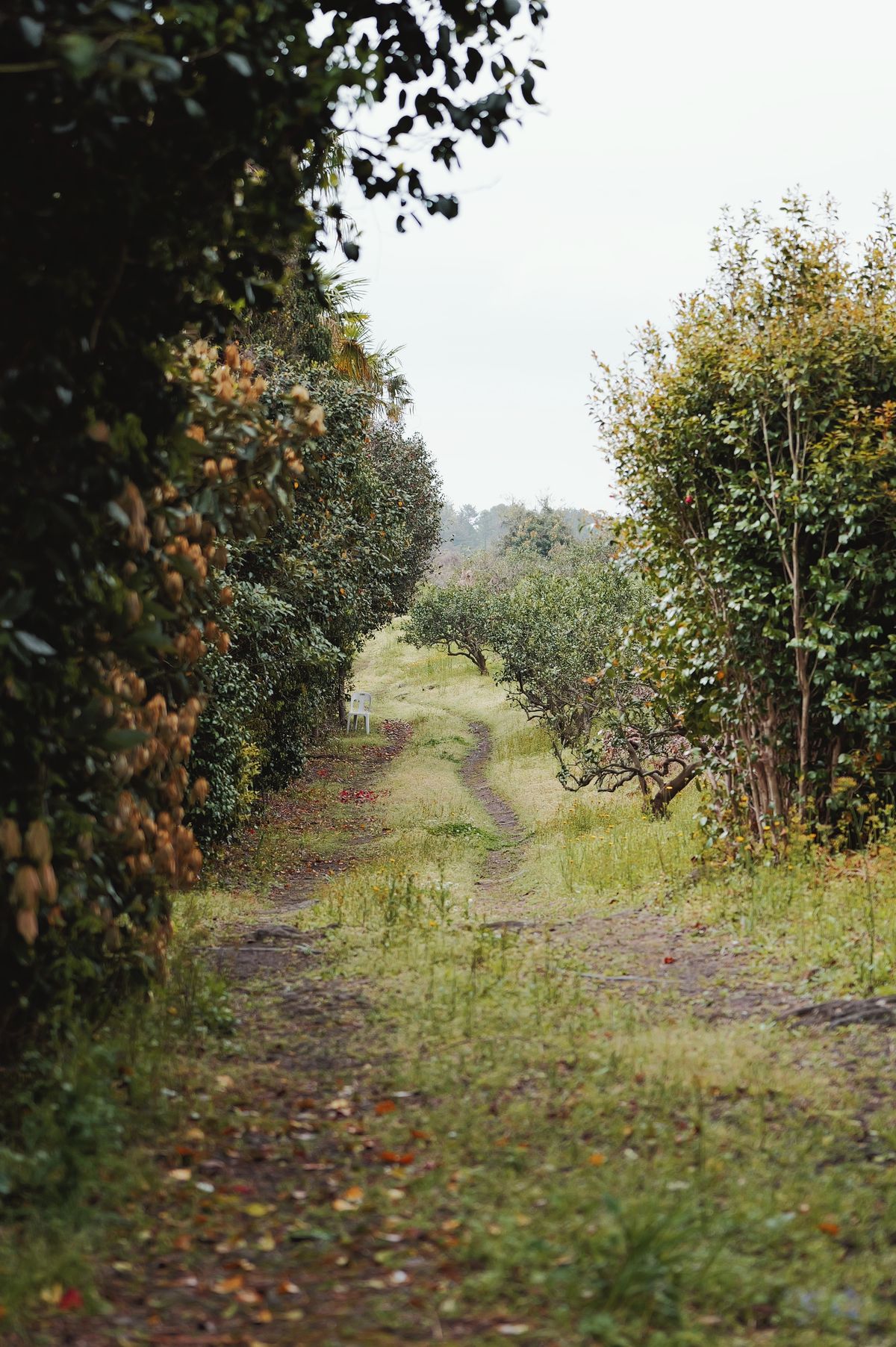 Windbreak trees line many Seogwipo orchards. Photo: Little forest 작은 숲 / Pexels, Pexels License | 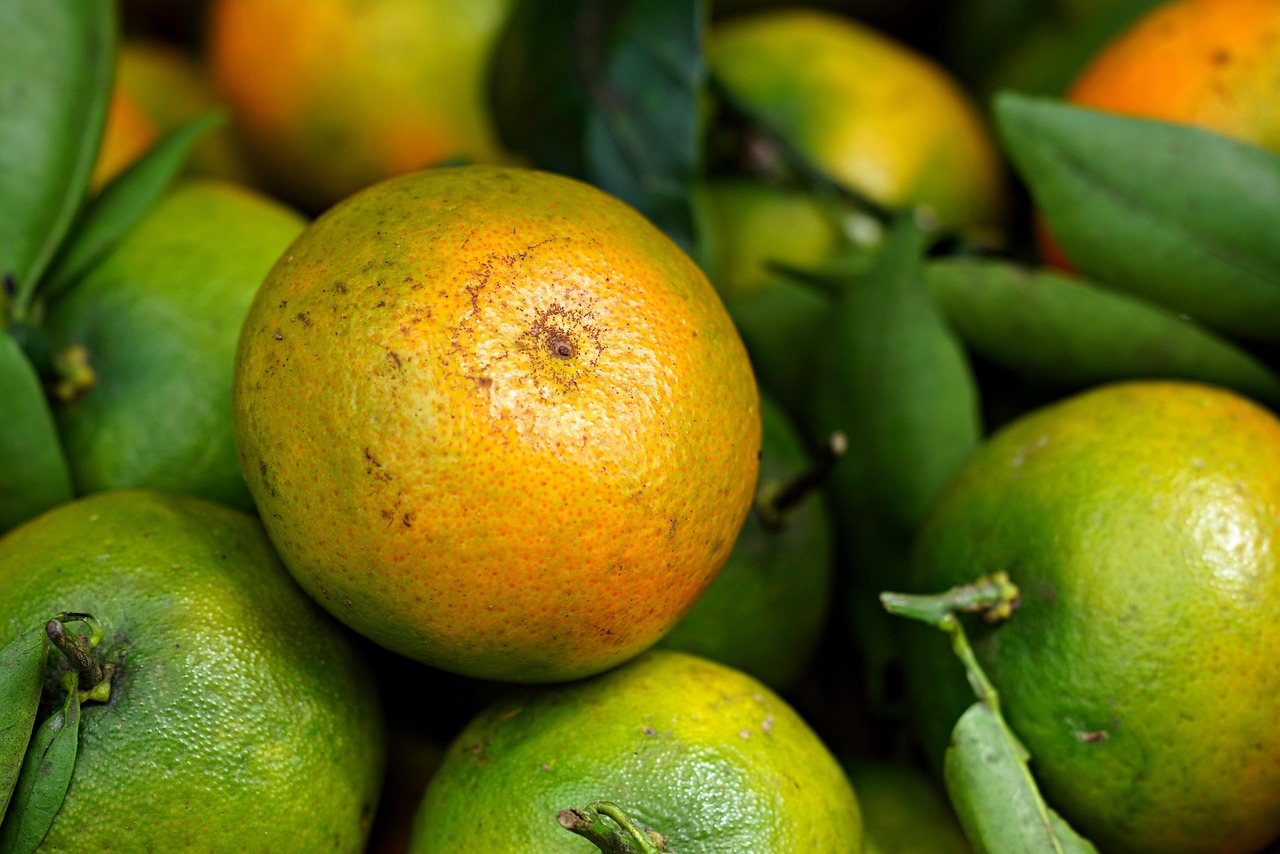 Some early fruit is still partly green, which is normal for October picking. Photo: ignartonosbg / Pixabay, Pixabay Content License |
What November is not good for
It is not beach weather for most people, and the wind can be strong, especially on the hills and the coast. Ferries and some outdoor activities can be cancelled in rough weather, and several tangerine farms stop picking when it rains. Build a little slack into your plans.
Weather and what to pack
Korea Meteorological Administration normals for 1991 to 2020 give Jeju City a November average high of 16.4°C, a mean of 13.3°C and an average low of 10.4°C. The month averages 69.5 mm of rain over 9.8 rainy days and about 124 hours of sunshine. That is noticeably milder than Seoul, but the wind makes it feel colder than the numbers suggest, and Hallasan's upper slopes are far colder than the coast.
Packing list
- A windproof shell and a warm middle layer, such as fleece or a light down jacket.
- Comfortable walking shoes, plus proper hiking boots if you plan to hike Hallasan.
- A compact umbrella or rain jacket, and a hat and gloves for early mornings.
- Crampons, gloves and a flask of warm water if you are going high on Hallasan. The national park lists all three for winter visits.
If Jeju is one stop on a longer trip, our Korea in November weather and packing guide compares Seoul, Busan and Jeju and has a fuller packing list.
Tangerine picking
Jeju tangerines (gamgyul, 감귤) are the island's signature crop, and picking your own is one of the most popular things to do in late autumn. A September 29, 2026 guide on Jeju.com puts the picking season at early October to January. It notes that the fruit turns fully orange after mid-November, and that the main harvest of early open-field tangerines runs from mid-November to late December. Later varieties follow: Red-hyang from December to February, Hallabong from December to May, and Cheonhye-hyang from January to March. The same guide reports that some fruit grown on white Tyvek ground sheets, which reflect light and keep the soil dry, tests at least 3 Brix sweeter than fruit grown the normal way.
 Freshly picked tangerines piled high. Photo: vishnuchandra / WordPress Photo Directory, CC0 | 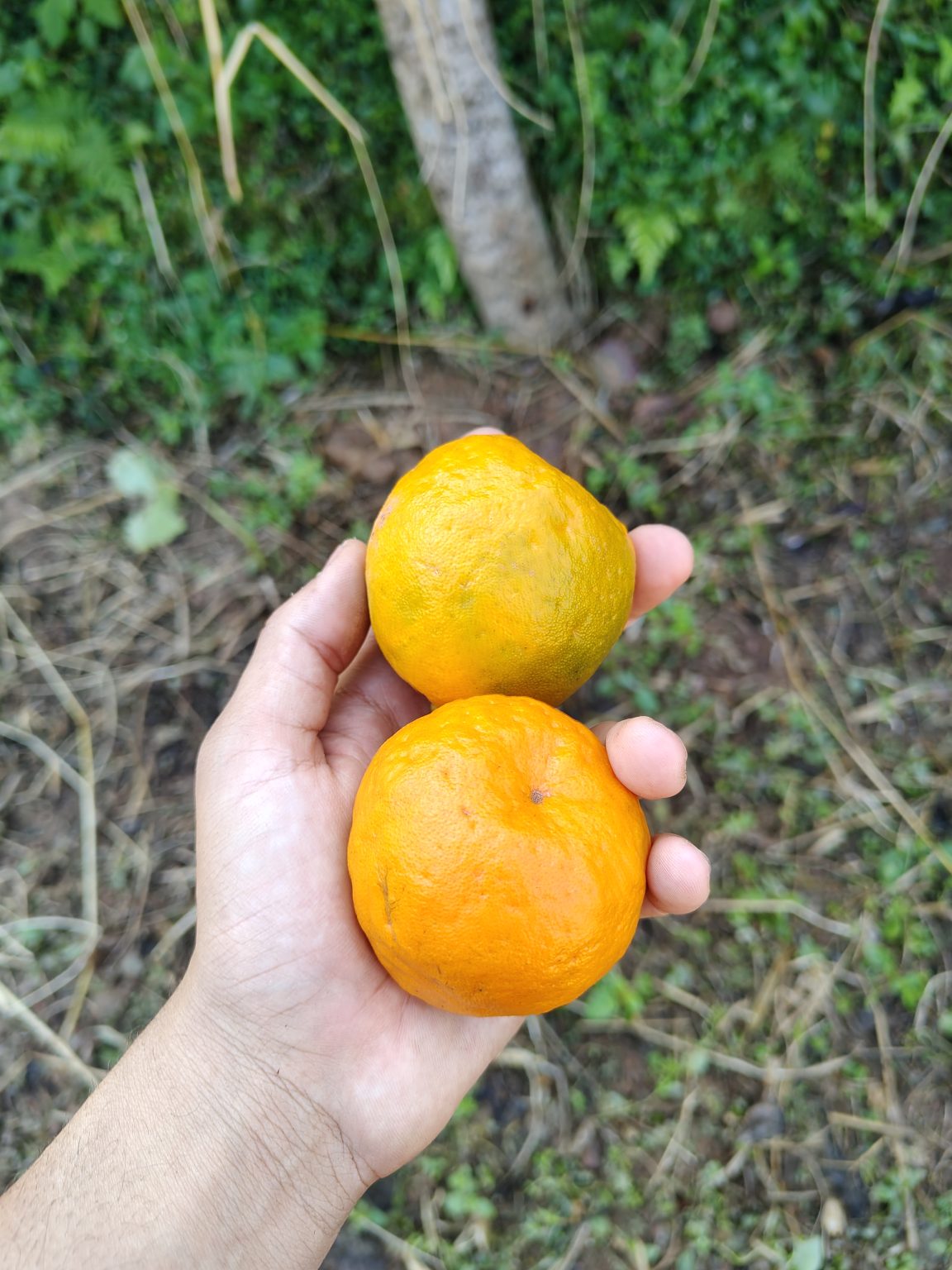 Ripe mandarins should feel heavy for their size. Photo: shirishpoudel07 / WordPress Photo Directory, CC0 | 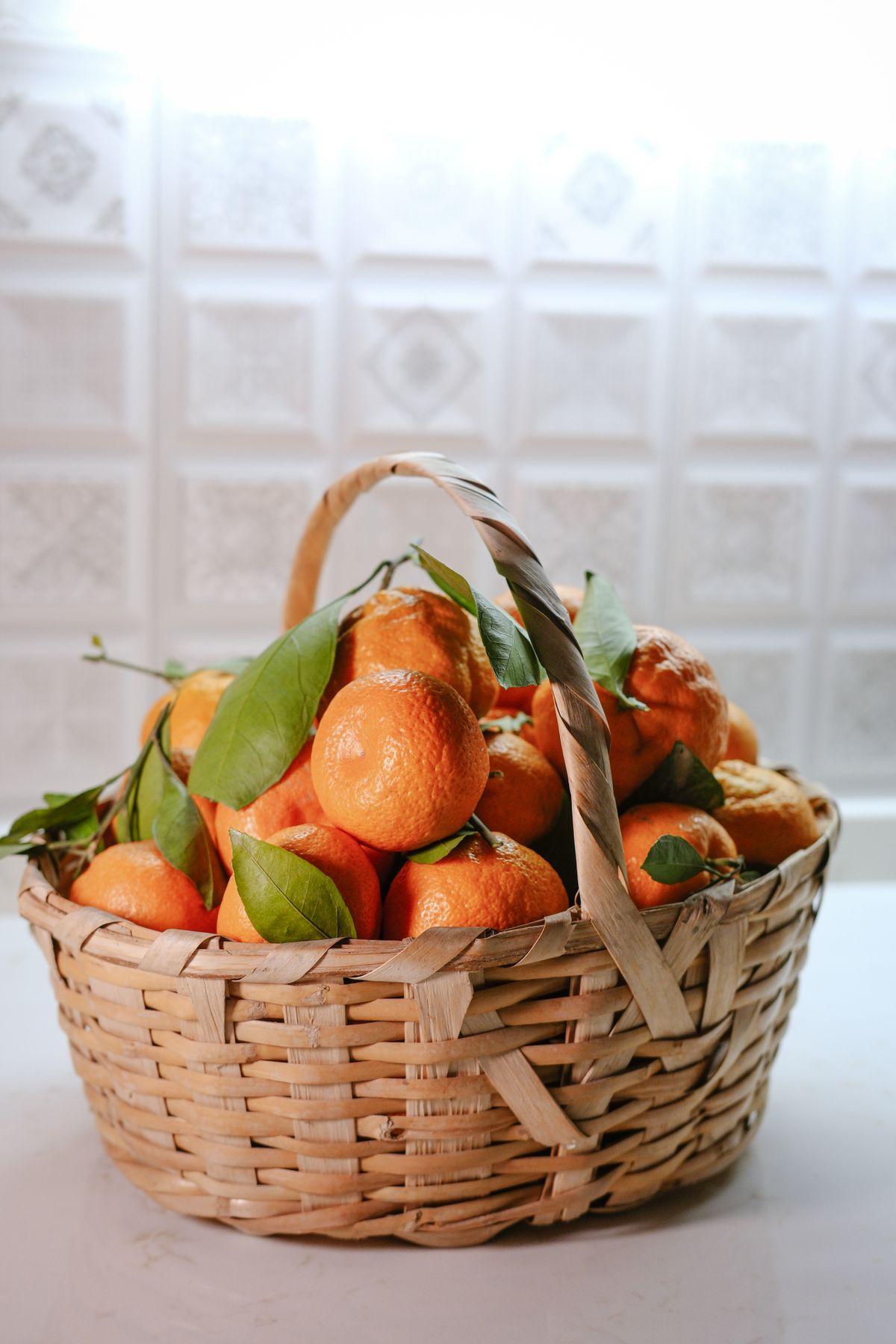 Leave a short stem when picking so the fruit keeps longer. Photo: Davut ERDEM / Pexels, Pexels License |
Farms and prices
Prices below are as listed by each source as of October 2026. Farms change their rates and hours often, and many close in rain, so call ahead or check their pages on the day.
| Place | Area | Price (as of Oct 2026) | Notes |
|---|---|---|---|
| Seogwipo Citrus Museum | Seogwipo | ₩5,000 per person | October 27 to December 23, 2026. Take home about 1 kg after tasting. |
| Songjeong Farm | Seogwipo | ₩11,000 for 2 kg | Simple family-run orchard |
| Gyulhyanggi | Seogwipo | ₩7,000–10,000 | Price varies by package |
| Hueree Natural Park | Namwon, Seogwipo | ₩8,000 for picking plus ₩13,000 park entry | Picking began October 1; combo tickets are offered |
| Harye Citrus Farm | Hare-ri, Seogwipo | ₩20,000 for 3 kg | Larger take-home amount |
| Swimteo | Jeju | ₩3,000 entry plus ₩10,000 per 1 kg | Café-style farm |
| Farm 901 | Jeju | ₩7,000 for 1 kg | Small-group farm |
The Seogwipo Citrus Museum program is the most structured option. Yonhap reported on October 25, 2026 that it runs in two orchards next to the museum. Sessions start between 09:30 and 11:30 and again between 13:00 and 16:30, and they are cancelled in rain or strong wind.
How to pick tangerines properly
- Choose fruit that is evenly orange, feels heavy for its size and has firm, tight skin. Puffy, loose skin usually means the fruit is past its best.
- Hold the fruit in one hand and cut the stem with the farm's clippers a little above the fruit.
- Make a second cut so only a very short, flat stub is left. A long stem can puncture other fruit in your bag.
- Place the fruit gently in the basket rather than dropping it, and keep within the weight your ticket allows.
- At home, store the fruit somewhere cool. Jeju.com suggests about 3–4°C at 85–90% humidity for longer keeping.
Taking tangerines home
According to Jeju.com, you can carry tangerines in carry-on or checked bags on domestic flights. You can also ship a box from a post office: about ₩4,000 up to 3 kg, ₩4,500 up to 5 kg and ₩6,000 up to 10 kg (as of October 2026). If you are flying abroad, check your own country's rules on bringing in fresh fruit. Many countries restrict it.
The Jeju International Citrus Expo
The official Expo site lists the 2026 Jeju International Citrus Expo for Thursday, November 19 to Monday, November 23, 2026. It takes place at the agro-ecological park of the Seogwipo Agricultural Technology Center, 7413 Jungsangandong-ro, Namwon-eup. Hours are 10:00 to 17:00, with the exhibition hall open 10:00 to 16:30.
On-site tickets cost ₩2,000. Booking in advance by November 18 brings the price down to ₩1,000, and Jeju residents also pay ₩1,000. Children under 13 and people aged 65 and over are among those who get in free. For questions, the organizers list 064-762-3091. The Expo is a handy add-on if you are already picking fruit on the south side of the island, since Namwon is also home to several orchards.
Hiking Hallasan in November
Hallasan (한라산, 1,947 m) is a long but non-technical day hike, and November is a good month for it if the weather cooperates. The rules changed in 2025. Newsjeju reported that from May 3, 2025, only the summit section needs a reservation. Without a booking, you can now hike as far as Jindallaebat (Azalea Field) shelter on the Seongpanak trail, 7.3 km up, or to Samgakbong shelter on the Gwaneumsa trail, 6 km up. Summit permits are still capped at 1,000 a day on Seongpanak (9.6 km one way) and 500 a day on Gwaneumsa (8.7 km one way).
 Samgakbong on the Gwaneumsa trail, January 2025. Photo: Sadopaul / Wikimedia Commons, CC BY 4.0 |  The Samgakbong shelter is the summit-permit checkpoint on the Gwaneumsa side. Photo: Sadopaul / Wikimedia Commons, CC BY 4.0 |  Location markers like this one help rescuers find you, so note the number in an emergency. Photo: Sadopaul / Wikimedia Commons, CC BY 4.0 |
How to book a summit permit
- Go to the official Hallasan reservation site. New slots open on the 1st of each month and cover dates through the end of the following month.
- Choose Seongpanak or Gwaneumsa, then pick your date and time slot. Weekends and clear-weather days in autumn fill up fast.
- Keep your confirmation and bring your ID. Newsjeju reports that reserved hikers are given a wristband tag at the trailhead.
- Check the weather the night before. The park restricts hiking under heavy rain, typhoon and heavy snow advisories.
- Start early. The trails open at 05:00, and hikes must be finished the same day.
November cutoff times
The park's official page sets seasonal cutoffs so hikers are off the mountain before dark. The page currently shows two tables that differ slightly for Seongpanak and Gwaneumsa in November: one gives 11:30, the other 12:00, at both the trailhead and the upper checkpoint. To be safe, plan to pass Jindallaebat or Samgakbong by 11:30. Both tables list Eorimok and Yeongsil at 12:00, the Witseoreum checkpoint at 13:00 and Donnaeko at 10:00. Hikers must leave Witseoreum by 15:00 and Dongneung Peak, the summit, by 13:30.
The Gwaneumsa summit section was closed from August 1 to September 30, 2026 for repairs to rockfall fences and decking. The Asia Business Daily reported that it reopened early, on September 24, 2026. Even so, check the official notice board before booking in case of new closures.
 Baengnokdam crater at the summit of Hallasan, January 2025. Photo: Sadopaul / Wikimedia Commons, CC BY 4.0 |  Snow can arrive on the upper slopes well before it reaches the coast. Photo: Sadopaul / Wikimedia Commons, CC BY 4.0 | 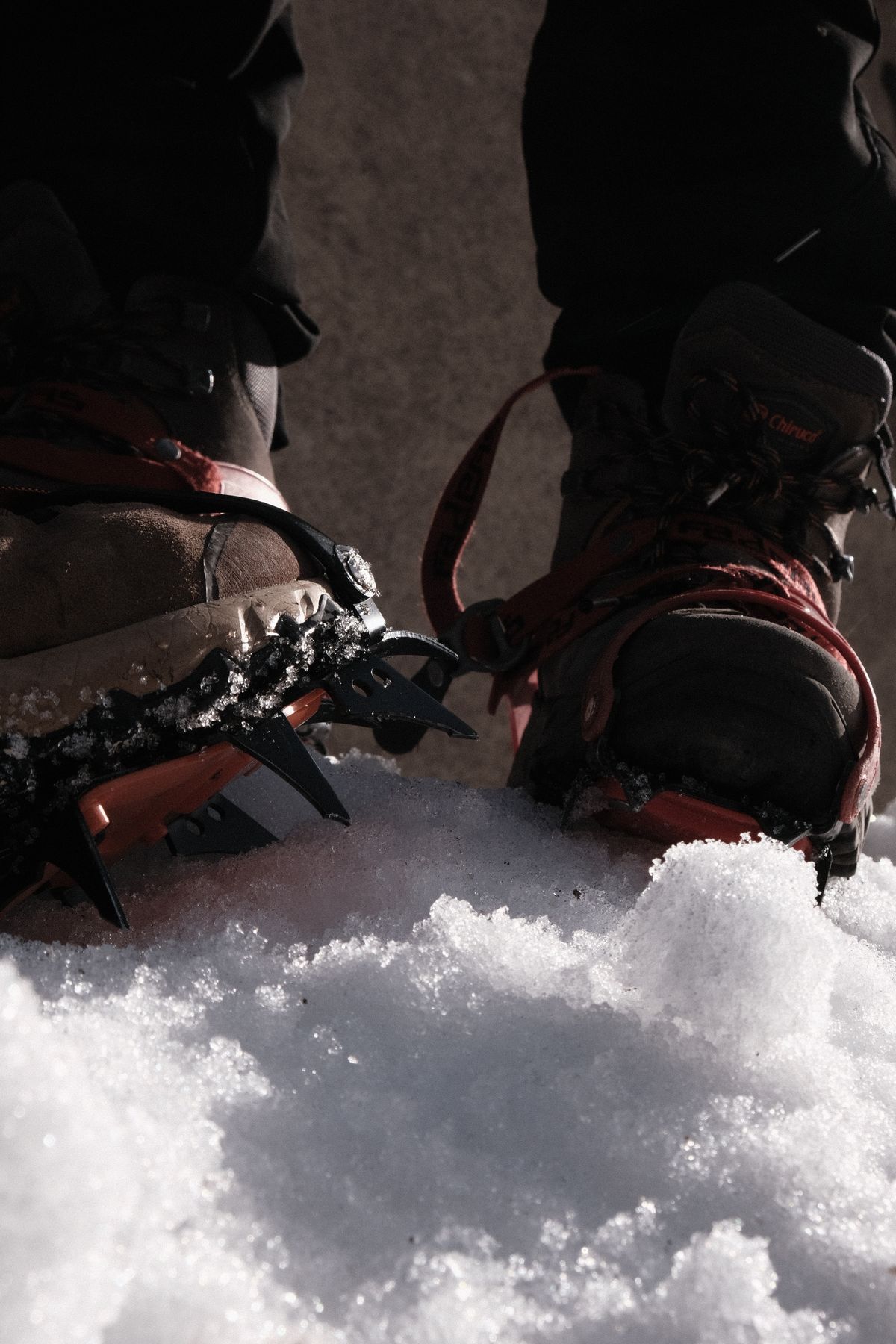 The park asks winter hikers to carry crampons (called aijen in Korean). Photo: Mauricio Krupka Buendia / Pexels, Pexels License |
Rules and safety
The park asks winter hikers to bring warm clothes, crampons, gloves and warm water, plus emergency snacks. It bans disposable lunch boxes and alcohol, and you must carry your rubbish out. Stay on marked trails. In an emergency, call 119 and read out the number on the nearest yellow location marker. Parking at the trailheads costs ₩1,000 for the first hour, then ₩500 per 20 minutes, up to ₩13,000 a day for small cars (as of October 2026). The park encourages visitors to use public transport instead. This is general travel information; judge conditions on the day and turn back if the weather changes.
Silver grass, oreum and the east coast
Jeju has hundreds of oreum, small volcanic cones that are easy to climb. Saebyeol Oreum in Aewol is the classic choice for silver grass (eulsae, 억새). A KoTour Live guide updated in August 2026 describes it as about 519.9 m above sea level, but only about 119 m above the surrounding land. The climb to the top takes about 20 minutes up the steep western slope, or about 40 minutes round trip, and entry is free. The silver grass is at its best from late October to early November. The guide warns that the top is very windy and that you should come down before dark.
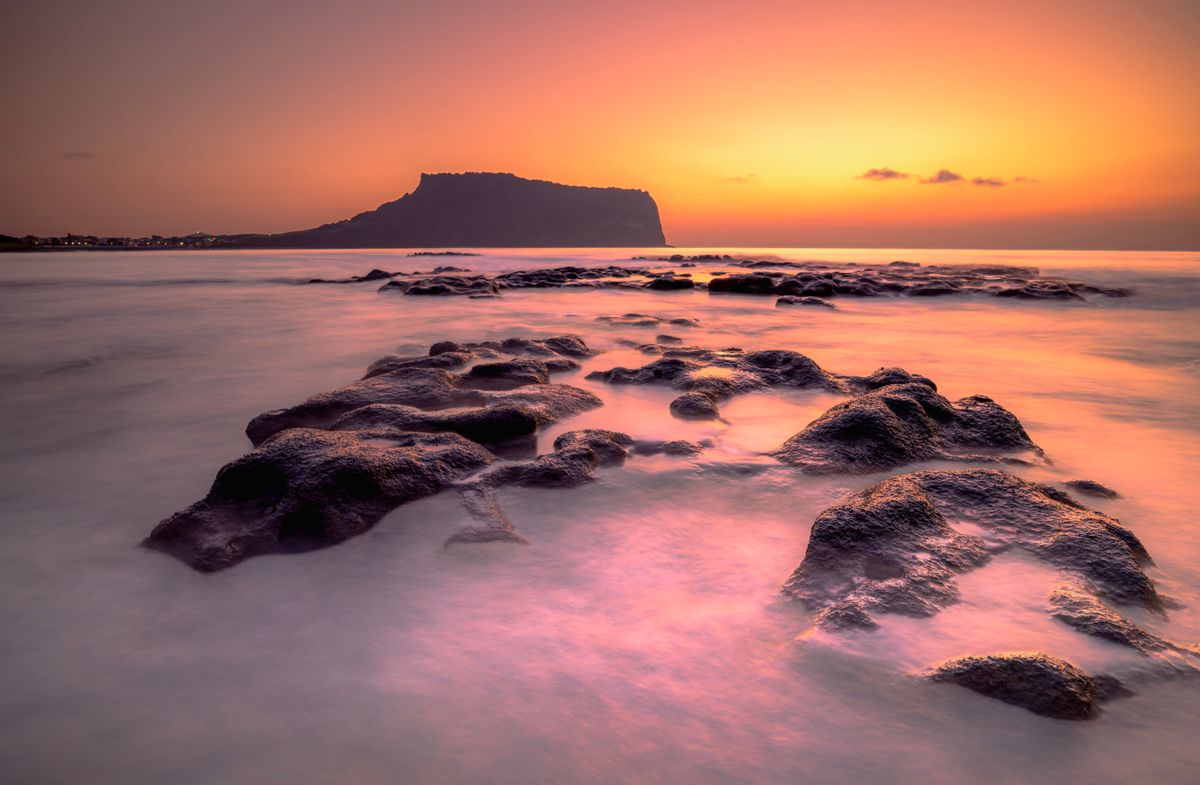 Sunrise over Seongsan Ilchulbong on Jeju's east coast. Photo: kyaw thuwai / Pexels, Pexels License |  The cliffs of Seongsan Ilchulbong, May 2025. Photo: Yaoshiiscool / Wikimedia Commons, CC BY-SA 4.0 | 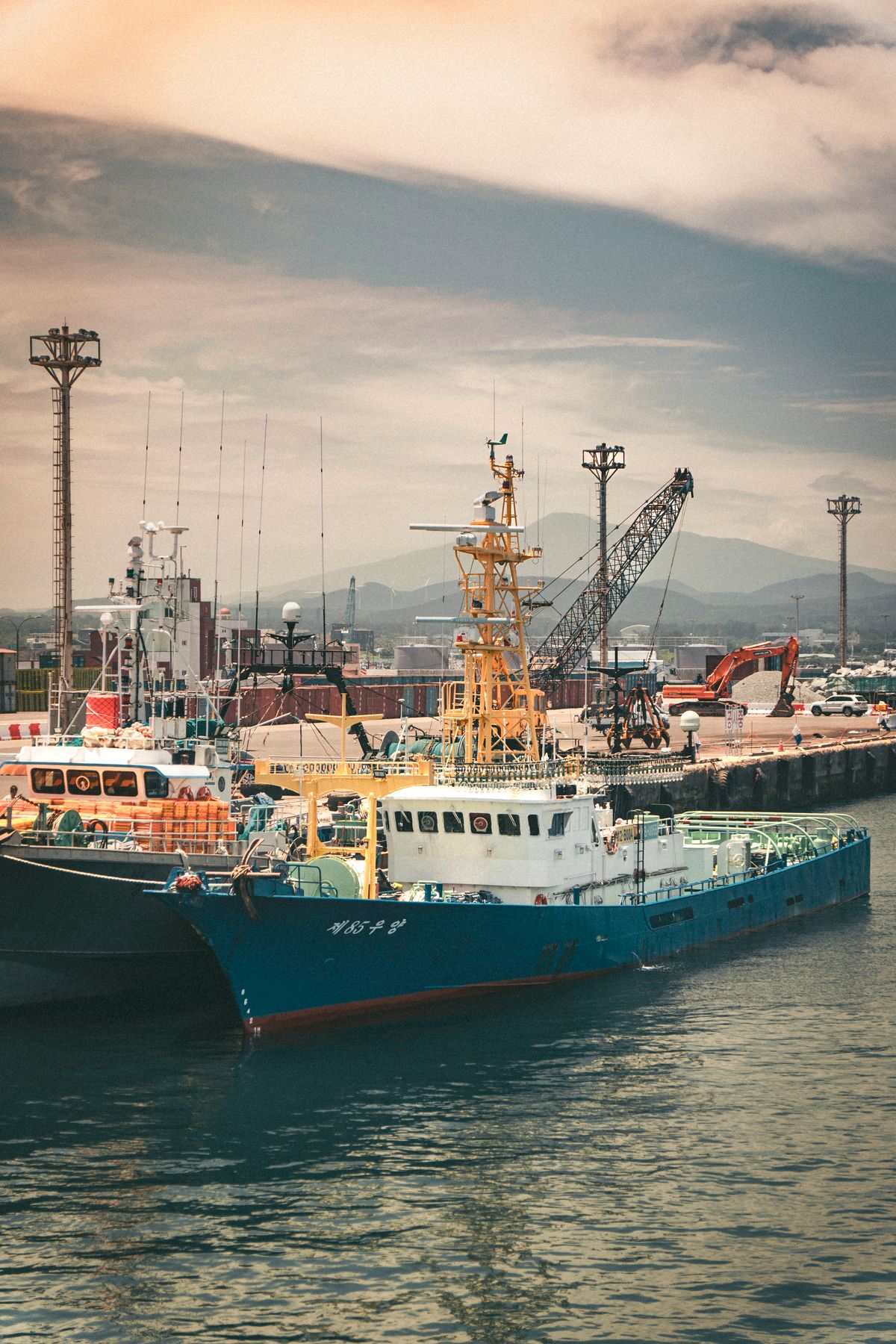 Fishing boats in a Jeju City harbor, June 2025. Photo: Sheng-Fan You / Pexels, Pexels License |
Seongsan and the east
On the east coast, Seongsan Ilchulbong (성산일출봉, "Sunrise Peak") is the island's most famous viewpoint, and November sunrises come late enough that you do not need a painfully early start. The fishing harbors around the coast are worth a slow walk too. If you are visiting in the colder months, our guide to Korean winter street food covers the hot snacks you will find at markets such as Dongmun Market in Jeju City.
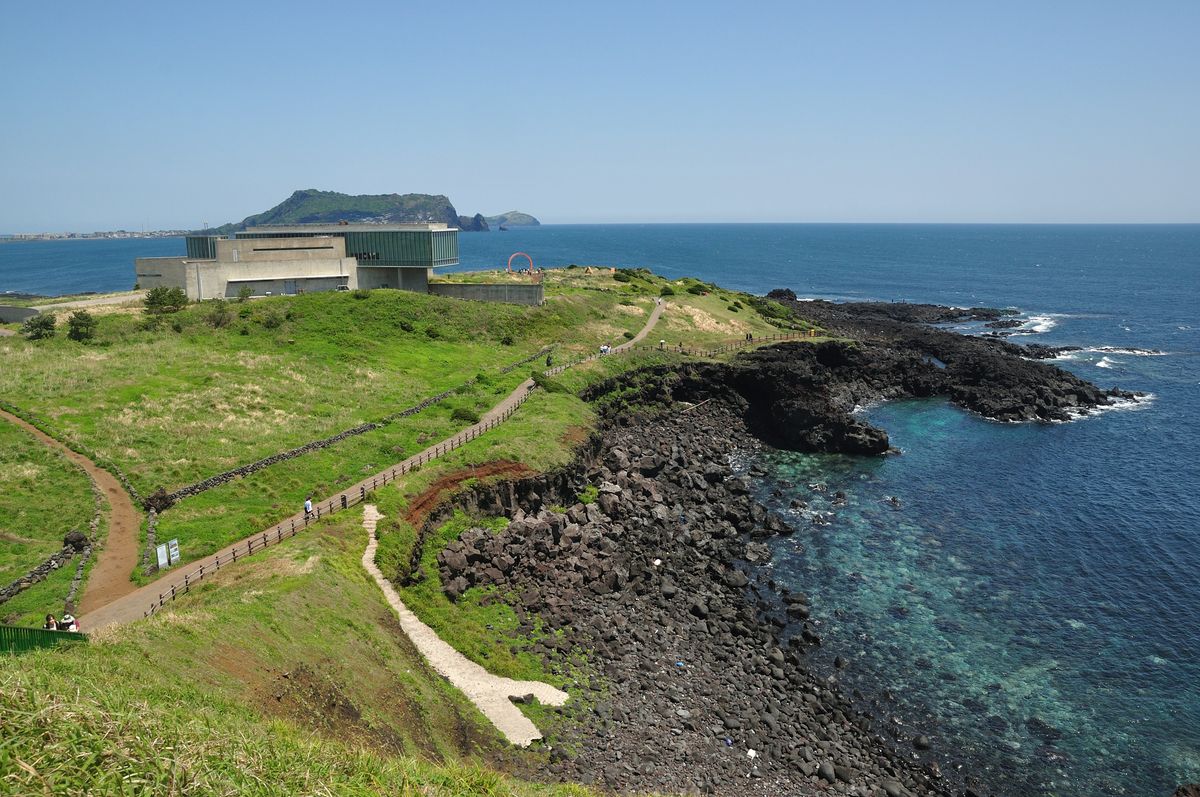 Much of the Olle Trail follows coast like this. Photo: Coman Yu / Pexels, Pexels License | 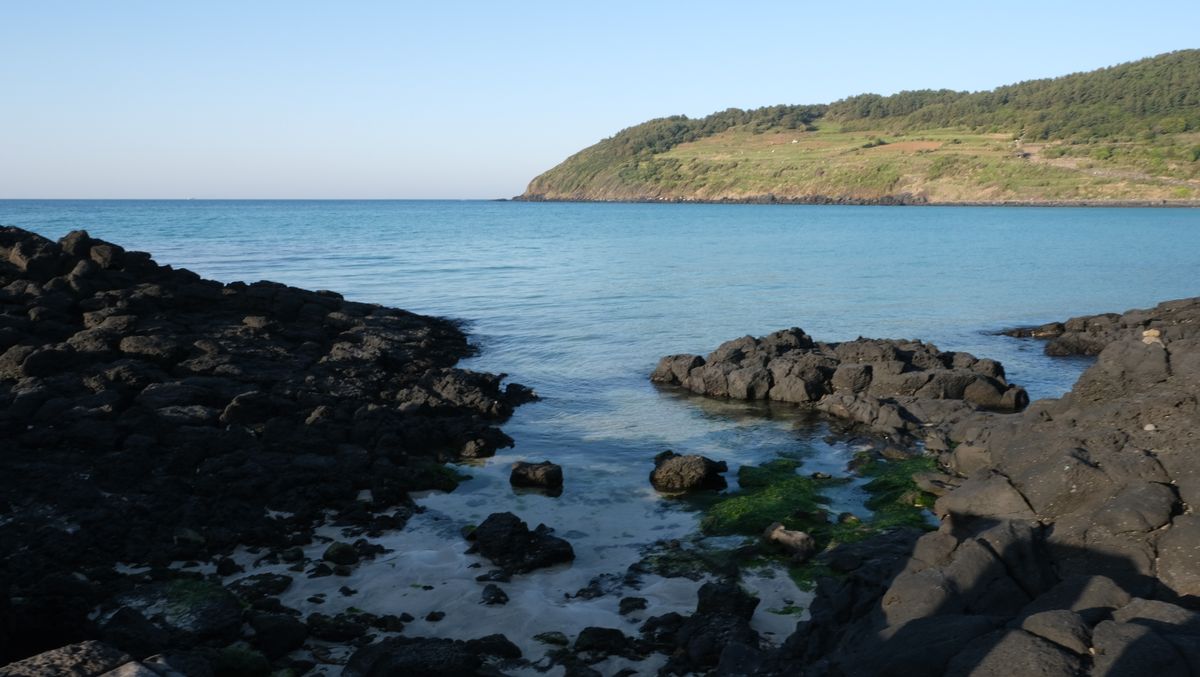 Basalt shoreline on Jeju Island. Photo: nana liu / Pexels, Pexels License |  A great egret on the Jeju shore. Photo: Docujeju / Pixabay, Pixabay Content License |
The Jeju Olle Walking Festival
The Jeju Olle Trail is a network of long-distance walking routes around the island. Its annual walking festival takes place on November 5 to 7, 2026, on routes 19 and 20 on the northeast coast. Yonhap reported on July 8, 2026 that day one covers 13 km from Jocheon to Dongbok-ri and day two 11.5 km to Jeju Batdam Theme Park. Day three is a 12.9 km walk in the reverse direction, starting from the Haenyeo Anti-Japanese Movement Memorial Park.
This year matters for another reason: Yonhap says it is the last festival in the large group-walk format. From 2027, the 20th anniversary of the trail, the event will spread across 23 courses over 25 days. Registration is through the Ollepass app. VisitKorea lists the fee as ₩30,000, or ₩25,000 for people born in 2008 or later, and says around 10,000 walkers take part each year. If you are not walking, expect busier buses and cafés along that stretch of coast on those days.
Getting there and entry rules
Most visitors fly into Jeju International Airport, either from Seoul's Gimpo Airport or from other Korean cities. Flights between Gimpo and Jeju run all day, which helps if you are fitting Jeju into a longer trip. If you are flying Korean Air or Asiana, our guide to the Korean Air–Asiana merger explains what the merger means for bookings and miles.

Visas, K-ETA and the Jeju visa-free rule
Jeju has its own visa-free entry program, but it is narrower than many people assume. According to a South Korean foreign ministry notice, it applies only when you fly directly into Jeju from abroad. Nationals of 23 countries are excluded, and the visa-free stay does not let you travel on to the mainland. If you enter Korea through Incheon or Gimpo and then fly to Jeju, the normal mainland rules apply. That means a visa, a K-ETA, or an exemption from K-ETA, which for some nationalities runs until December 31, 2026. Our K-ETA and arrival card guide explains who needs what.
Getting around the island
Jeju has no subway or train, so you will choose between buses, taxis and a rental car. The bus network is better than its reputation, especially along the main routes, and Jeju City has added island-style stops on its busiest roads.
 Jeju City's island-style bus stops serve the main trunk routes. Photo: Jeju Special Self-Governing Province, Public Transportation Division (제주특별자치도청 대중교통과) / Wikimedia Commons, KOGL Type 1 |  The Jeju City Tour bus, photographed in March 2026. Photo: km30192002 / Wikimedia Commons, CC BY 4.0 |  Seogwipo Natural Recreational Forest, June 2026. Photo: Grapesurgeon / Wikimedia Commons, CC BY-SA 4.0 |
Airport bus 600
The 600 airport limousine bus runs from Jeju Airport along Pyeonghwa-ro to the Jungmun resort area and on to Seogwipo, ending at the KAL Hotel. The official Jeju bus timetable shows the first departure from Seogwipo KAL Hotel at 06:00 and the last at 21:30. The full trip takes about 1 hour 52 minutes. A local guide, Jeju Living, says the bus boards at the airport's Gate 5 area and runs from about 06:30 to 22:20 in that direction. Fares range from ₩1,300 to ₩5,500, with Jungmun about ₩4,500 (as of October 2026). Times change seasonally, so check the official timetable on the day.
Renting a car
A car makes it much easier to combine orchards, oreum and the east coast in one day. Lotte Rent-a-Car's English FAQ says foreign renters need a passport and an original International Driving Permit issued under the Geneva or Vienna Convention. You must be at least 21, you need a credit card, and Jeju cars can be booked up to 90 days ahead. It also warns that not every car has English navigation, so download an offline map before you set off. If you use taxis instead, our tips on avoiding overcharging in Korea apply on Jeju too.
A sample three-day plan
| Day | Morning | Afternoon | Evening |
|---|---|---|---|
| 1 | Arrive at Jeju Airport, pick up a car or take bus 600 south | Tangerine picking around Seogwipo or Namwon | Seogwipo town and its harbor |
| 2 | Hallasan via Seongpanak (summit permit) or a shorter Eorimok or Yeongsil hike | Rest, or a gentle forest walk | Early night if you hiked |
| 3 | Sunrise at Seongsan Ilchulbong | East coast or Olle route 19–20 walk; Saebyeol Oreum on the way back west | Dongmun Market in Jeju City before an evening flight |
If the Citrus Expo (November 19 to 23) or the Olle Walking Festival (November 5 to 7) falls during your trip, swap it into day one or day three. Keep a rainy-day backup, such as a museum or a market, because both picking and hiking can be called off at short notice.
FAQ
Is November a good time to visit Jeju?
Yes, if you like walking, food and cooler weather. It is the start of the main tangerine harvest and the end of silver-grass season, with average highs around 16°C in Jeju City. It is not a beach month for most visitors.
Do I need a reservation to hike Hallasan?
Only for the summit, on the Seongpanak and Gwaneumsa trails. Since May 2025 you can hike to Jindallaebat or Samgakbong without one, and the Eorimok and Yeongsil trails do not go to the summit.
When is tangerine picking season?
From early October to January. The fruit is fully orange from mid-November, and the main early harvest runs to late December.
Can I fly with tangerines?
On domestic flights within Korea, yes, in carry-on or checked bags, according to Jeju.com. For international flights, check your destination's import rules first.
Can I use Jeju's visa-free entry if I land in Seoul first?
No. According to the foreign ministry, it applies only to direct arrivals in Jeju. If you enter through the mainland, the normal visa or K-ETA rules apply.
Final thoughts
Jeju in November rewards a slower trip. Pick a morning for tangerines, an early start for Hallasan if you want the summit, and an hour on an oreum when the wind drops. Book your summit permit as soon as your dates open, keep a rain plan, and check the official pages linked below before you go, since hours and prices on the island change from season to season.
Related posts
- Korea eSIM and T-money setup at Incheon Airport
- Korea ski resorts guide for the coming winter
- Visiting a jjimjilbang: a first-timer's guide to Korean saunas
Sources
- Hallasan National Park: reservation and trail access times
- Hallasan National Park: parking fees
- Hallasan National Park notice: Gwaneumsa summit section closure (2026, Korean)
- The Asia Business Daily: Gwaneumsa trail summit section reopens September 24, 2026
- Newsjeju: Hallasan reservations limited to the summit section from May 2025 (Korean)
- Jeju.com: Jeju tangerine picking guide (September 29, 2026)
- Yonhap News: Seogwipo Citrus Museum picking program 2026 (Korean, October 25, 2026)
- 2026 Jeju International Citrus Expo: visitor guide
- Yonhap News: 2026 Jeju Olle Walking Festival (Korean, July 8, 2026)
- VisitKorea: Jeju Olle Walking Festival
- KoTour Live: Saebyeol Oreum guide
- Jeju bus information system: route 600 timetable
- Jeju Living: airport limousine bus 600 schedule and fares
- Jeju City climate normals 1991–2020 (KMA data via Wikipedia)
- OAG: busiest flight routes right now (October 2026)
- Seoul Economic Daily: Jeju hits record foreign arrivals (October 16, 2026)
- Embassy of the Republic of Korea: Jeju visa-free entry and K-ETA notice
- Lotte Rent-a-Car: English FAQ for foreign renters